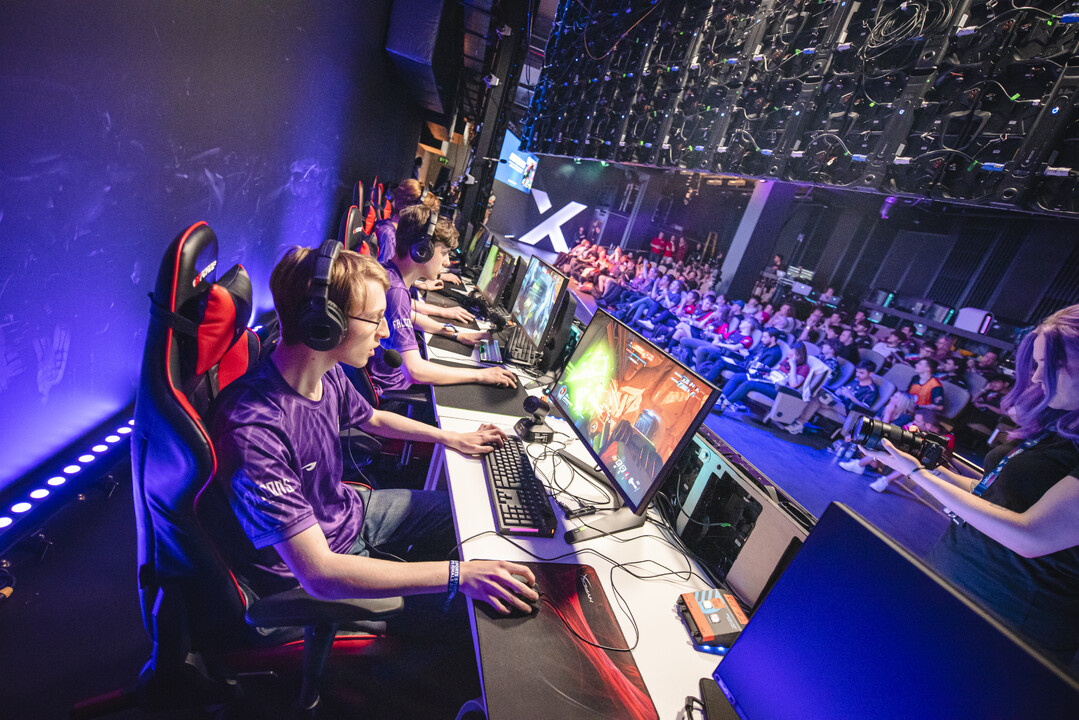
Esports continues to grow in audience size, prize pools, and media attention, yet a clear engagement gap remains. Millions watch tournaments, but only a fraction interact consistently, place bets, or return outside of major events. For platforms focused on casino and sports betting news, this gap represents both a challenge and an opportunity. Closing it requires targeted innovation rather than surface-level hype.
Understanding the Esports Engagement Gap
The esports engagement gap refers to the difference between passive viewership and active participation. While traditional sports have decades of ingrained habits—seasonal betting, fantasy leagues, and deep-rooted fan loyalty—esports audiences are younger, more fragmented, and platform-dependent.
Key drivers of the gap include limited understanding of game mechanics among casual viewers, inconsistent tournament structures, and a lack of seamless betting or interaction tools. Without context, odds, or incentives, viewers disengage once the stream ends.
Why Traditional Sports Models Don’t Fully Apply
Applying classic sports engagement strategies to esports often fails. Esports titles evolve rapidly, rosters change frequently, and publishers control competitive ecosystems. This volatility makes long-term narratives harder to sustain.
Unlike football or basketball, esports fans may follow a game rather than a team. Betting products and media coverage that ignore this distinction struggle to retain users. Innovation must reflect how esports audiences actually consume content.
The Role of Betting in Increasing Engagement
Betting is one of the most effective tools for turning passive viewers into active participants, but only when executed correctly. Esports betting cannot mirror traditional sports betting interfaces without adaptation.
Successful platforms focus on simplicity, real-time data, and education. Micro-markets, such as map winners or in-game objectives, align better with how esports matches unfold and keep users engaged throughout the event.
Effective esports betting features include:
- Live odds synchronized with in-game events
- Low-stakes markets designed for casual users
- Clear explanations of bets tied to gameplay mechanics
This approach reduces friction and encourages repeat engagement rather than one-off bets.
Interactive Content as a Retention Tool
Static articles and match previews are no longer enough. Interactive content keeps users on-site longer and builds habits. Polls, predictive games, and real-time stats overlays allow users to test their knowledge without immediate financial risk.
Gamification Without Gambling Fatigue
Not every interaction needs to involve money. Prediction games, leaderboards, and reward systems create engagement loops that naturally lead users toward betting products later. This is especially effective for new users who are esports fans but inexperienced bettors.
Technology Closing the Experience Gap
Advanced technology is central to closing the esports engagement gap. APIs, data feeds, and AI-driven personalization allow platforms to tailor content and betting options to individual users.
Personalization and Real-Time Data
Personalized dashboards showing favorite games, teams, and preferred betting markets significantly increase return visits. Real-time data integration ensures odds, statistics, and news updates feel immediate rather than delayed.
Platforms that combine live streams, odds, and contextual insights in one interface outperform those that redirect users across multiple services.
Content Strategy for Esports-Focused Betting Sites
For casino and sports betting news sites, esports content must balance accessibility with depth. Overly technical analysis alienates newcomers, while shallow coverage fails to retain experienced users.
Strong content strategies focus on explaining why something matters—meta shifts, patch impacts, or roster changes—rather than simply reporting that they happened. This context directly supports betting decisions and keeps readers engaged beyond headlines.
Monetization Without Alienation
Aggressive monetization is one of the fastest ways to widen the engagement gap. Users respond better to gradual onboarding, transparent odds, and responsible betting tools.
Best practices for sustainable monetization include:
- Clear separation between editorial content and betting promotion
- Educational guides for new esports bettors
- Responsible gaming tools tailored to esports markets
Trust is a long-term engagement driver, especially for younger audiences skeptical of traditional gambling models.
The Future of Esports Engagement
Closing the esports engagement gap is not about a single feature or platform. It requires a connected ecosystem where content, betting, technology, and user experience reinforce each other.
As esports matures, platforms that invest in innovative engagement tools rather than short-term traffic spikes will define the next phase of growth. For betting and casino news sites, this is the moment to move from passive coverage to active participation—and capture an audience that is ready to engage, if given the right tools.